The Verde Island Passage

The Center of the Center of Marine Biodiversity

The Verde Island Passage (VIP) is a channel that cuts through the Philippines by the south of Luzon, right in the center of the Coral Triangle, which is an area of extreme ecological importance.

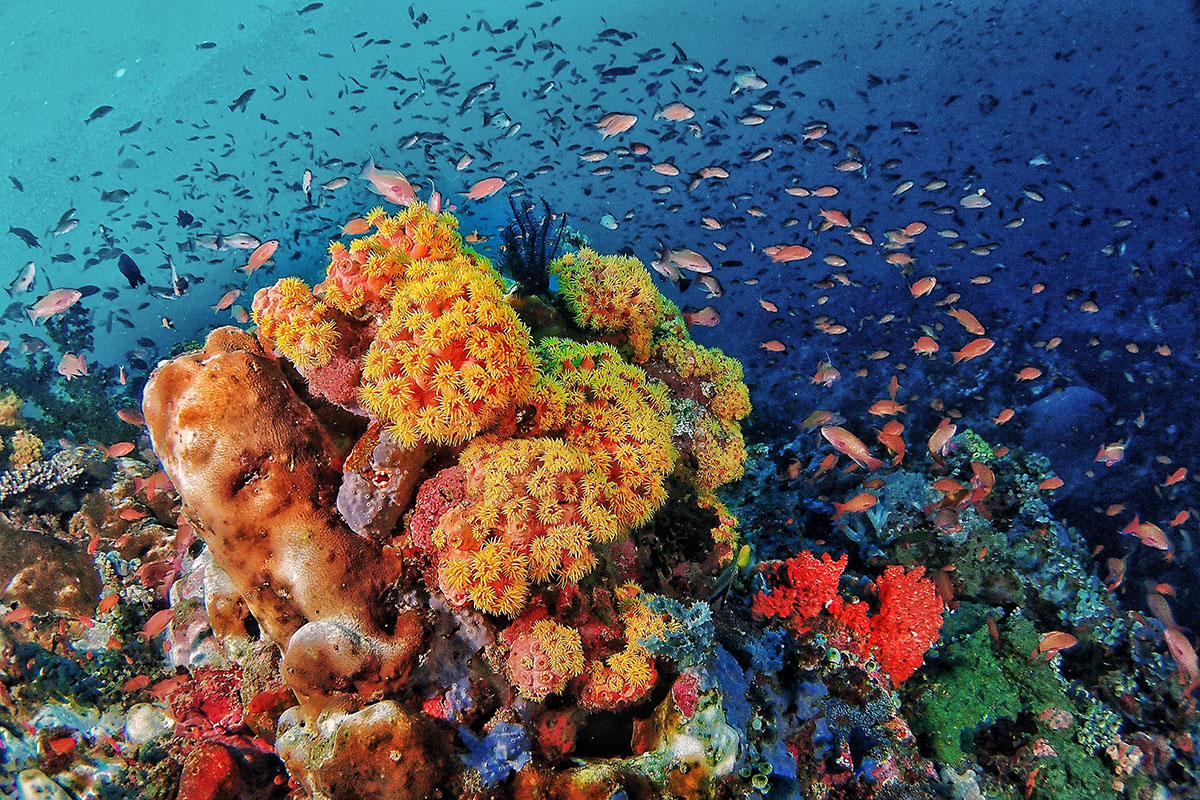
In a 2005 study by Dr. Kent Carpenter, marine biologist, he and his team discovered that the VIP has the highest concentration of marine shorefish biodiversity on the planet, with over 1736 overlapping species coexisting within just a 10 sq. km area. This led to Dr. Carpenter labelling the channel as “the epicenter of marine biodiversity.”
What Makes It The Center?

Winding Coastline

The Philippines’ winding coastline gives it the most coastline per unit area among tropical countries. Despite comprising only about 3% of the land area of the United States, the Philippine coastline is equivalent in its length, resulting in a higher density of marine habitats and contributing significantly to its rich biodiversity.

Geographic Position

The Philippines stretches north to south over a long distance that includes tropical species in the north and sub-tropical species in the south. Latitudinal diversity means more diverse habitats, increasing the number of species found in the area.

Stable Ocean Temperatures

During the ice ages, sea surface temperatures dropped dramatically, changing species compositions in the higher latitudes. However, in the Philippines these temperatures stayed relatively stable, allowing marine species to not only survive, but thrive during the ice ages.

Ocean Overlap

The Philippines sits at the overlap between two major oceans – the Indian and the Pacific Ocean. Due to this, species from both oceans have settled in the Philippines, increasing marine biodiversity.

Center of Evolution

Scientists consider the Philippines a center of evolution due to isolation. Over millennia, strong ocean currents, complex coastlines, and past sea level drops created isolated habitats. Isolation boosts biodiversity, as separated species develop new traits to adapt, eventually leading to the evolution of new species over thousands of years.

Strong Ocean Currents

The powerful Northern Equatorial Current carries all kinds of marine species and their larvae across the Pacific Ocean and into the Philippines, where they take shelter in the archipelago. These new species will eventually settle and evolve in ecosystems such as the VIP, making it their new home.

Complex Geological Background

The Philippines has a complicated geological background, having been once divided into three distinct regions scattered across the Pacific Ocean. Over millions of years, these regions came together via plate tectonics, acting as life rafts for all kinds of species. Thus, the oceans of the Philippines are a collection of three different geologic histories.

Why protect the VIP?

Millions of People Rely on the VIP
The VIP is surrounded by 5 major provinces – Batangas, Oriental Mindoro, Occidental Mindoro, Marinduque, and Romblon. These provinces are home to over 4.5 million people whose livelihoods are highly dependent on the surrounding reefs of the VIP.

Protection
When shoreline ecosystems such as coral reefs and mangrove forests are properly managed, they provide services to coastal communities such as protection from surge, flooding, and erosion.

Economic Benefits
There are many economic benefits that a well-managed VIP can provide, such as eco-tourism, local fishing, cosmetic material sources, and potentially even new pharmaceuticals awaiting discovery.
How do we protect the VIP?
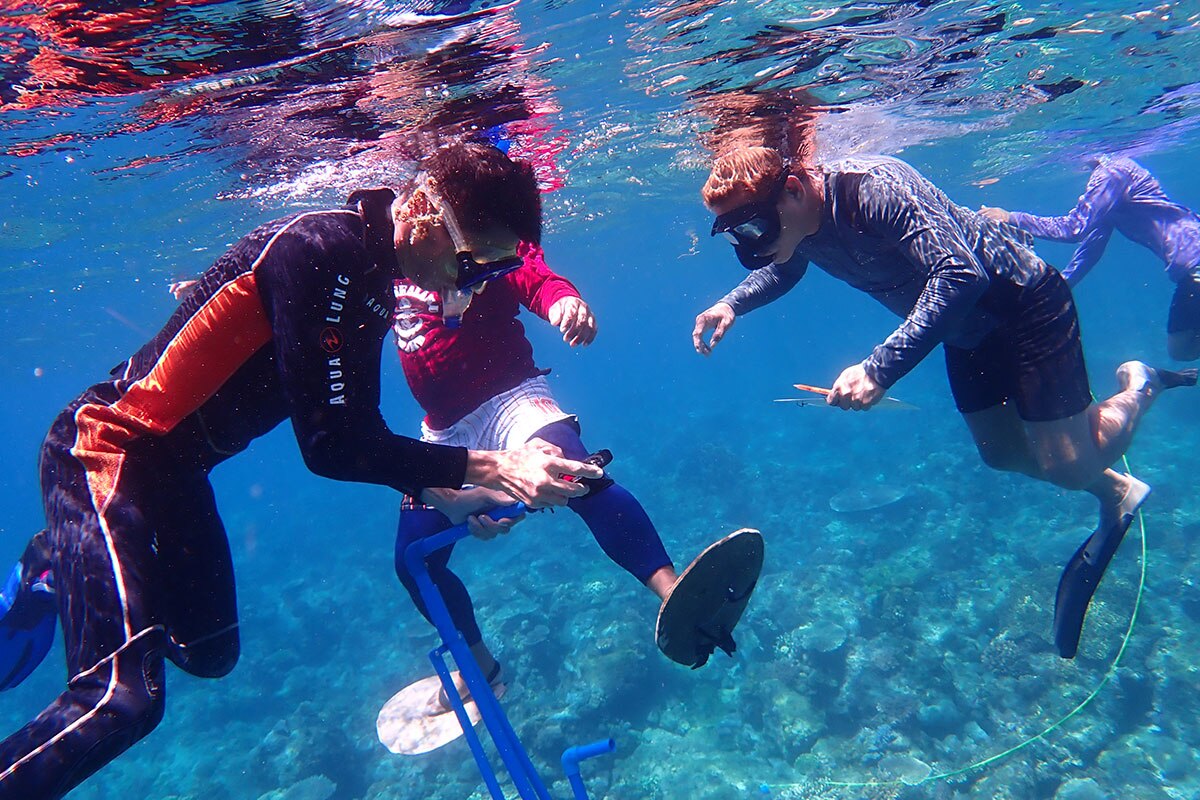
A three-pronged approach to conserving the VIP area adopts a holistic strategy that prioritizes active participation from local stakeholders. When effectively implemented, this inclusive approach has the potential to empower communities to take ownership of conservation efforts, ultimately becoming vigilant stewards of the VIP for generations to come.

Developing and delivering science-based, strategic training programs and materials
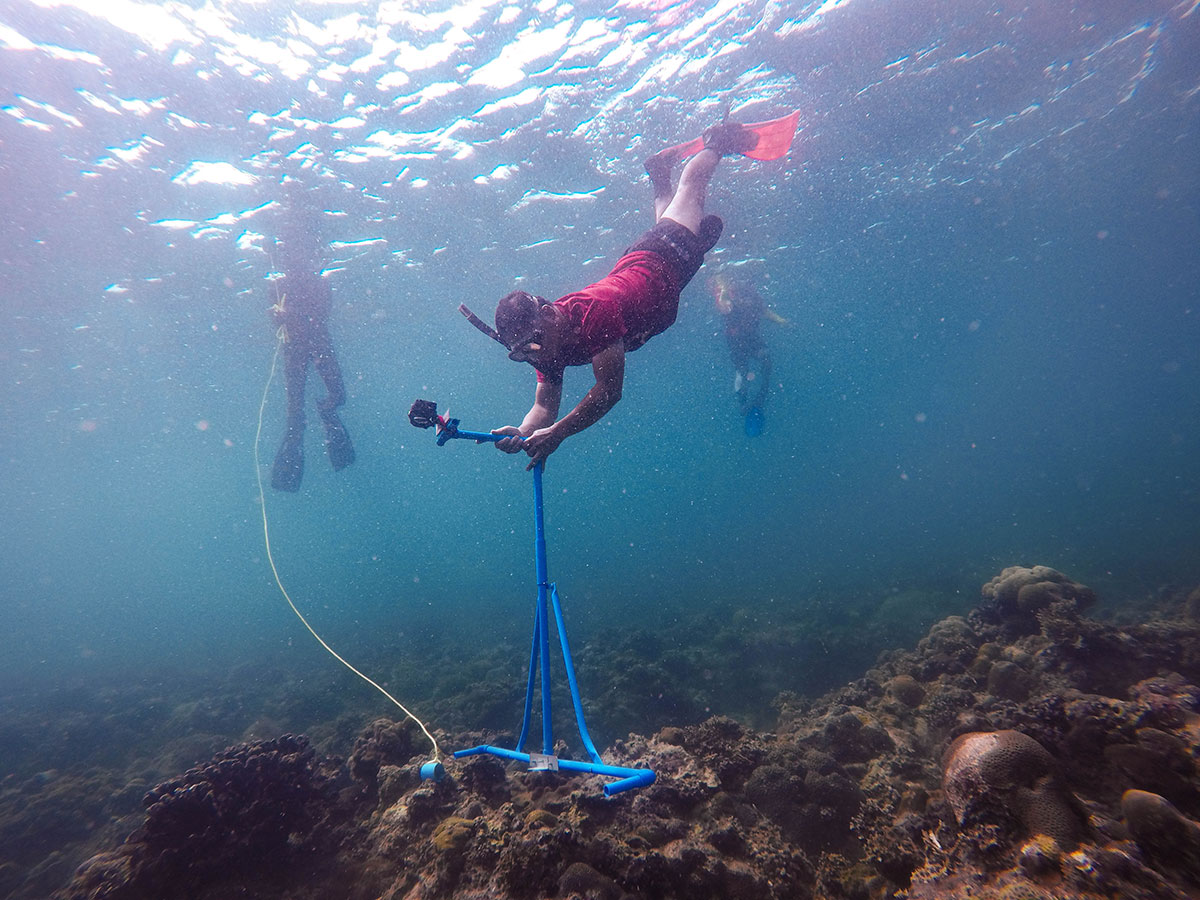
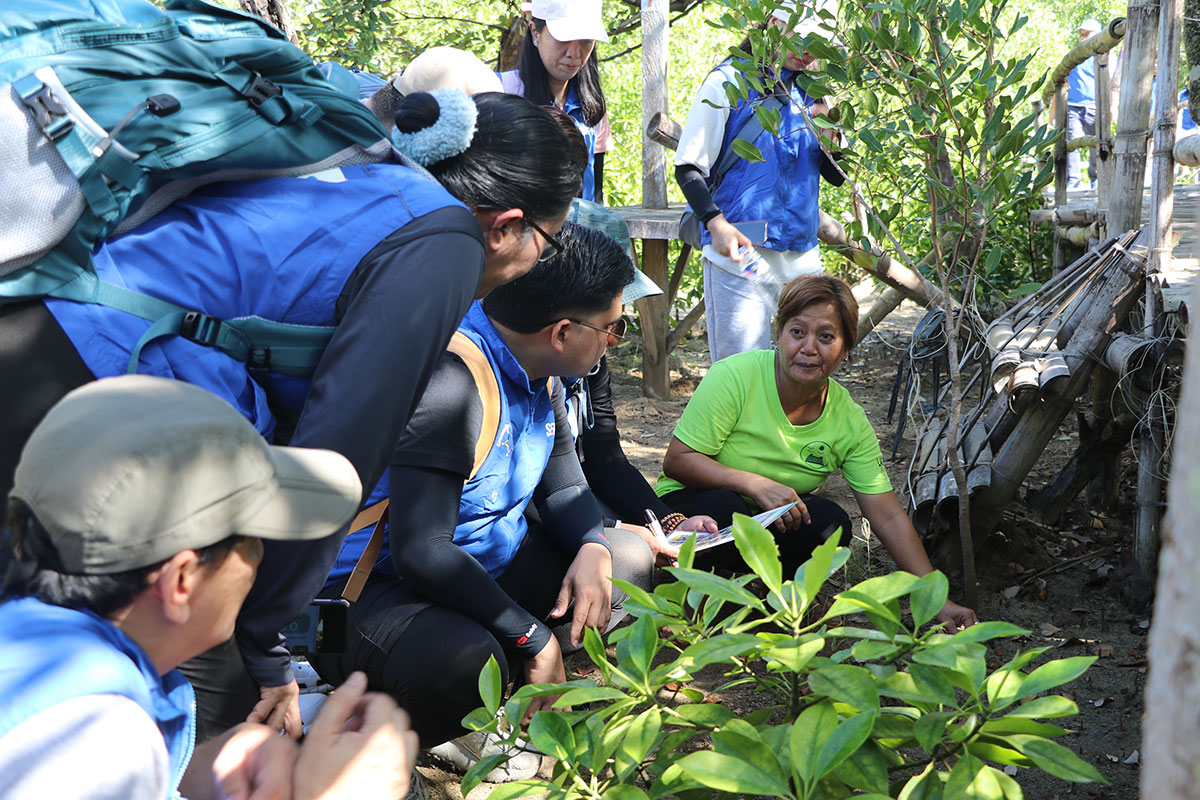
Reef monitoring surveys are regularly conducted to track the health of marine ecosystems over time. This data helps identify the threats faced by the VIP. This collaborative activity also encourages local stakeholders’ stewardship.

Enhancing and expanding scientific knowledge about the VIP’s marine ecosystem
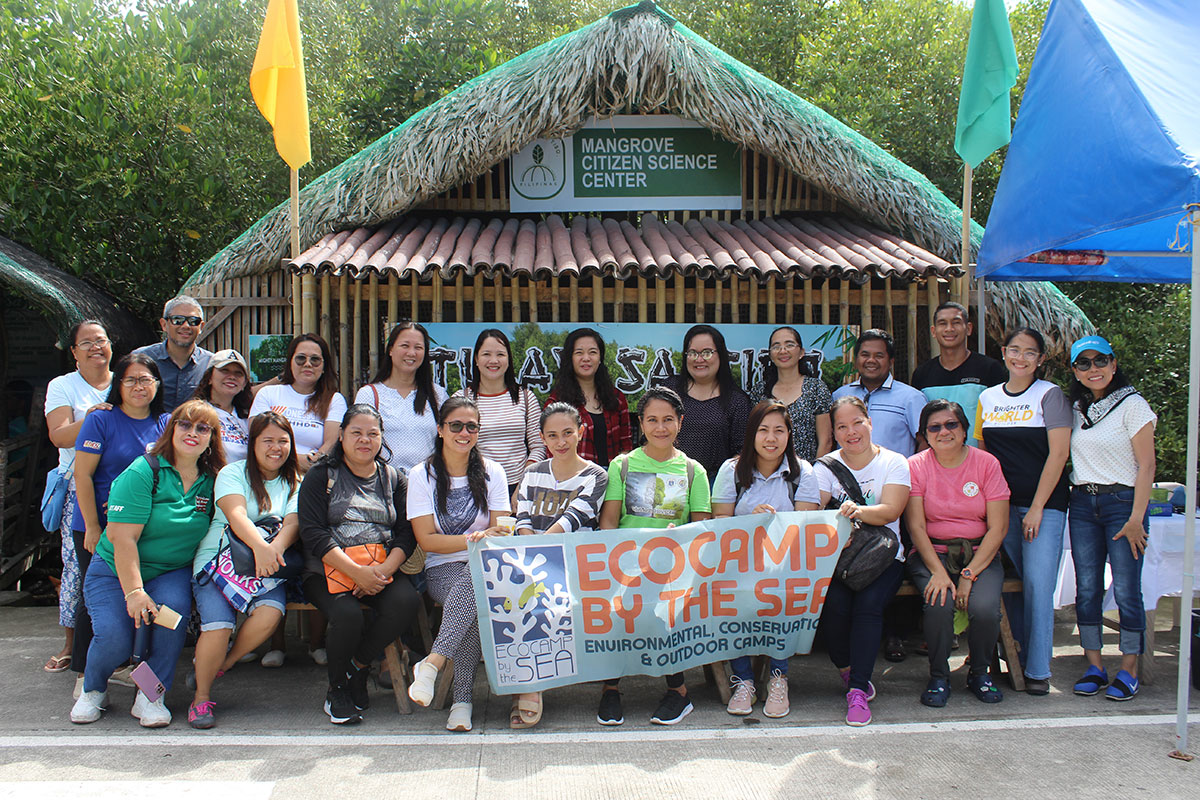
Efforts also direct education and awareness campaigns in the local communities around the VIP to encourage a sense of responsibility and stewardship of the ecosystem, spread primarily through various “Ecocamps”.

Empowering and engaging community partners with knowledge, tools and skills to affect change

Cooperation from the local communities is absolutely paramount. This includes support to the establishment of Marine Protected Areas (MPA) by local governments, which need to be monitored by “Bantay Dagat” units. The creation of MPAs necessitates an alternative source of livelihood for those who used to rely on the VIP for their day-to-day needs.

2014 – SEA Institute

In 2014, the SEA Institute was founded to implement projects that advance marine conservation through science, education, and advocacy in the Verde Island Passage. It followed a new consortium model that unites a diversity of stakeholders to coordinate research, educational outreach, and conservation efforts. Over the years, SEA Institute introduced key programs such as citizen science reef monitoring, experiential education through EcoCamps, and community advocacies in partnership with local stakeholders that empower communities and promote sustainable practices in the Verde Island Passage.
 

SEA Institute Project Team

 
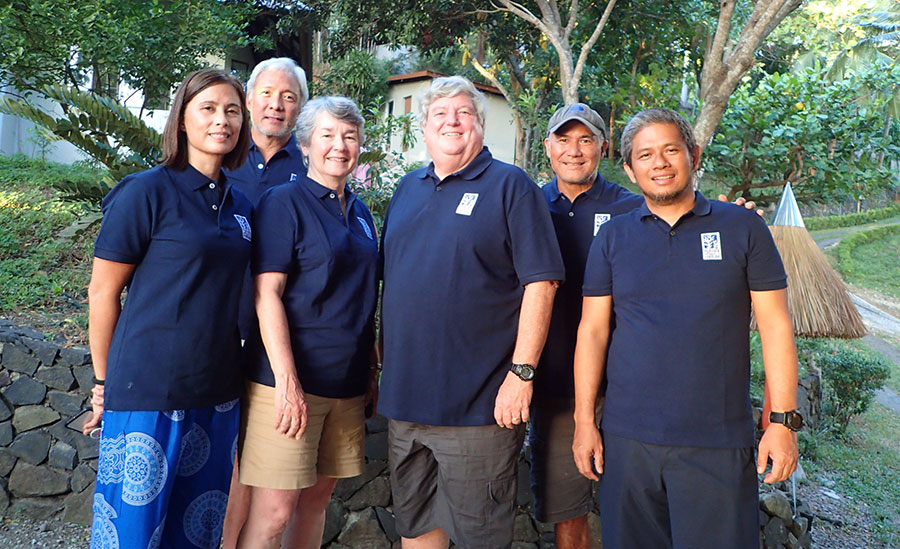
The principal team behind the initiative to conserve the environment through science, education, and advocacy.

Ramon “Mon” Araneta

Joseph Ascalon

Dr. Margaret “Meg” Burke

Dr. Kent Carpenter

Raymundo “Ting” Feliciano

Roberta Lopez-Feliciano

Dr. Terrence Goslinger

Dr. Wilfredo “Al” Licuanan

Dr. Rich Mooi

Robert “Bobbit” Suntay

Continuing the Legacy

Today, the ABS-CBN Foundation (AFI) continues the legacy of SEA Institute, under its Bantay Kalikasan program, to protect and enrich our country’s natural marine environment and ensure the preservation and progress of previous initiatives. Through its “Citizen Science Project”, AFI strengthens mangrove, seagrass and reef conservation efforts through community engagements in the Verde Island Passage